

5 Interior Renovation Mistakes Homeowners Make And How To Avoid Them

Habib Othman
CEO · Licensed Texas PE
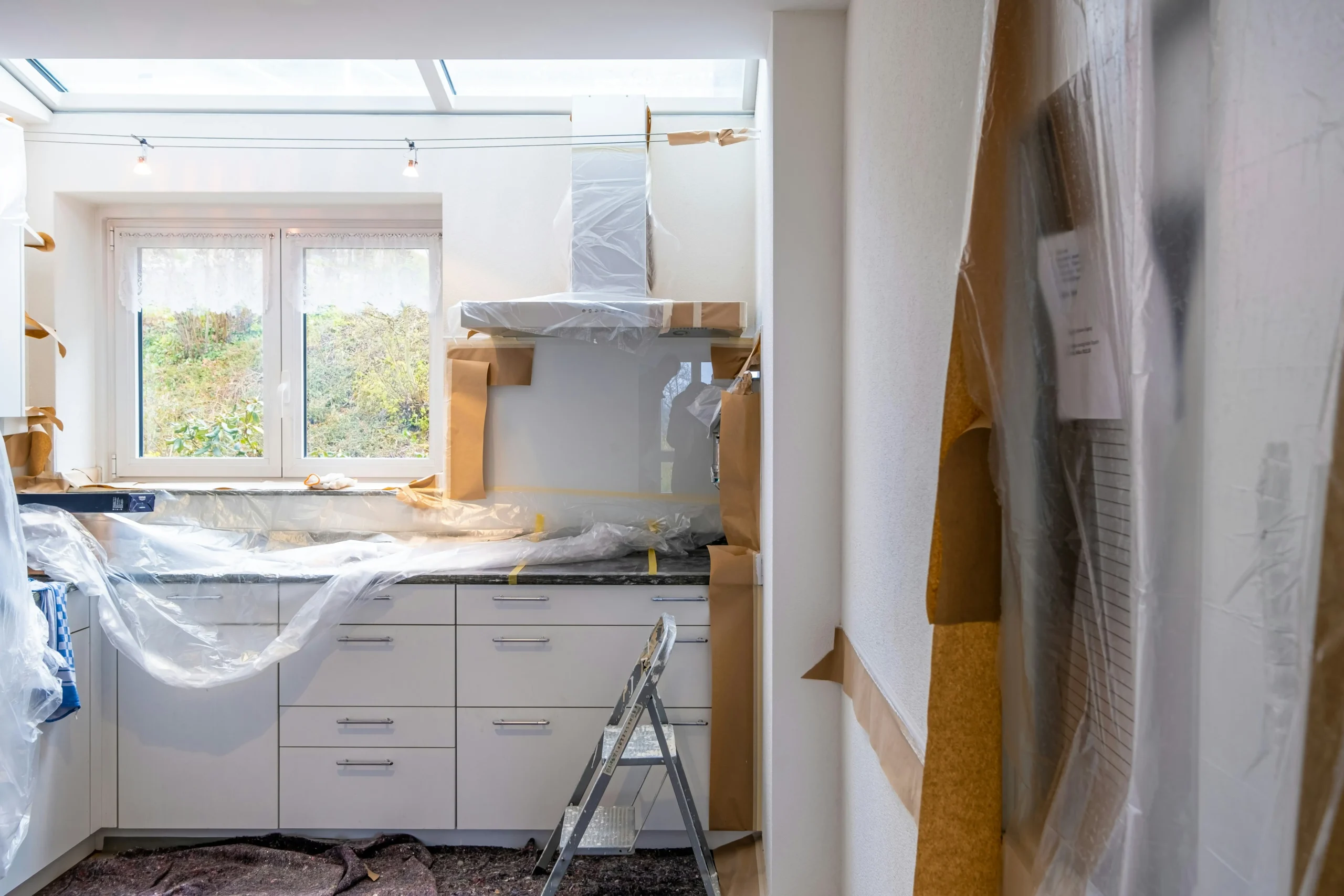
Renovating the interior of your home sounds exciting.
You start looking at paint colors, flooring, kitchens, bathrooms, lighting, fixtures, and all those beautiful before-and-after photos.
But then the project starts.
And suddenly, what looked simple on paper becomes a lot more complicated.
Maybe the budget starts increasing. Maybe the flooring doesn’t work with the doors. Maybe you realize that the lighting was never planned properly. Or perhaps you discover that changing one wall means changing several other parts of the house.
This is why planning matters.
A successful interior renovation isn’t just about choosing attractive finishes. You also need to think about budget, layout, functionality, sequencing, materials, and the condition of the existing property.
So, what are some of the most common mistakes homeowners make?
Let’s take a look.
Key takeaways
- Don’t start an interior renovation without understanding your budget.
- The layout should be considered before cosmetic finishes.
- Choosing materials too early can create compatibility and scheduling problems.
- Renovation projects need a realistic order of work.
- Good design should consider how the home will actually be used.
- Unexpected issues can happen in older homes, so a contingency budget is important.
- The goal isn’t simply to make the home look better. It should also function better.
The top 5 interior renovation mistakes
1. Starting without a realistic budget
This is probably the most common renovation mistake.
A homeowner gets an estimate for new flooring, paint, cabinets, lighting, and fixtures and assumes that’s the final cost.
But renovations rarely work that neatly.
Once walls are opened or old materials are removed, you may discover damaged subflooring, outdated wiring, plumbing issues, water damage, or other conditions that weren’t visible initially.
And even when there are no major surprises, homeowners sometimes forget about smaller expenses that add up.
For example:
- Demolition
- Disposal
- Permits
- Delivery
- Fixtures
- Hardware
- Trim
- Paint
- Temporary accommodation
- Cleanup
Bonus: Keep a contingency
The exact amount depends on the age and condition of the property and the scope of the renovation, but having a contingency is much better than discovering halfway through the project that there is no money left to address an important issue.
2. Focusing on appearance before functionality
This is another big one.
You find the perfect flooring.
Then the perfect cabinets.
Then the perfect light fixtures.
But have you thought about how the room actually works?
A renovation should improve the way you live in the space.
Ask yourself:
- Is there enough storage?
- Is furniture arranged properly?
- Is there enough lighting?
- Can people move comfortably through the room?
- Are outlets in useful locations?
- Is the kitchen easy to work in?
- Does the bathroom have adequate ventilation?
- Are doors and windows functioning properly?
A beautiful room that is difficult to use isn’t necessarily a successful renovation
3. Choosing materials without considering the whole house
It’s easy to choose individual finishes one at a time.
You pick a floor because you like it.
Then a countertop.
Then a backsplash.
Then a paint color.
And suddenly none of them really work together.
This is why it helps to think about the entire interior as a connected space.
You don’t need every room to look identical.
But there should be some consistency in colors, materials, textures, and architectural details.
Also consider practical issues.
Is the flooring suitable for the room?
Will the countertop handle everyday use?
Is the paint appropriate for a humid area?
Will the new fixtures work with the existing plumbing or electrical system?
A material can be beautiful and still be the wrong choice for a particular application.
4. Underestimating the order of work
Renovation projects need to happen in the right sequence.
You don’t want to install brand-new flooring and then have contractors damage it while replacing cabinets.
You don’t want to paint the walls and then cut into them for electrical work.
And you certainly don’t want to complete a room before discovering that a major mechanical or plumbing change still needs to happen.
A typical interior renovation may involve work such as:
- Planning and design
- Demolition
- Structural or repair work
- Plumbing and electrical
- HVAC or ventilation work
- Wall and ceiling repairs
- Flooring and cabinetry
- Painting
- Fixtures and finish work
- Final cleanup and inspection
The exact sequence depends on the project, but the principle remains the same.
Do the messy and behind-the-wall work before the finished surfaces.
5. Trying to renovate everything at once
Sometimes homeowners look at the entire house and decide they want to change everything.
New kitchen.
New bathrooms.
New flooring.
New paint.
New lighting.
New doors.
And maybe even structural changes.
There’s nothing wrong with a large renovation if the project is properly planned and funded.
The problem is trying to manage a large renovation without understanding the scope.
The bigger the project becomes, the more important planning, scheduling, budgeting, and coordination become.
If your budget is limited, prioritize.
Start with the work that affects safety, functionality, water intrusion, electrical systems, plumbing, or other important property conditions.
Then move toward cosmetic improvements.
What should you check before an interior renovation?
Before beginning, look at the existing condition of the property, including the following things:
| Thing to check | Why it matters |
| Plumbing | Hidden leaks can damage renovated areas |
| Electrical | Older systems may need upgrades |
| HVAC | A renovation can affect airflow and comfort |
| Moisture | Water problems should be addressed before finishes |
| Walls and ceilings | Damage may become visible after demolition |
| Flooring/subfloor | Existing damage can affect new flooring |
| Windows and doors | May affect comfort and energy performance |
| Layout | Determines whether the renovation actually improves functionality |
Wrapping it up
Interior renovations can completely change the way a home looks and feels.
But the best renovations aren’t simply the prettiest ones.
They’re the ones that are properly planned, realistically budgeted, correctly sequenced, and designed around how the homeowners actually live.
Avoiding these five mistakes can help you reduce unnecessary costs, prevent avoidable delays, and end up with a finished space that works as well as it looks.
If you’re considering an interior renovation, Maestro Property Solutions can help you approach the project with the bigger picture in mind, rather than treating every room as a collection of separate cosmetic upgrades.
FAQs about interior renovations
What is the biggest renovation mistake homeowners make?
One of the biggest mistakes is starting without a realistic understanding of the budget, scope, and condition of the property.
How much should I budget for unexpected renovation costs?
There isn’t one number that works for every project. Older homes and renovations involving demolition, plumbing, electrical, or structural work generally carry more uncertainty, so a contingency is important.
Should I renovate the whole house at once?
It depends on your budget, timeline, property, and goals. Large renovations can be efficient when properly planned, but smaller phased renovations may make more sense for some homeowners.
What should be done first in a renovation?
Planning and assessment should come first. Once the scope is established, demolition and behind-the-wall work generally happen before finished surfaces such as flooring, paint, and trim.
Should I choose finishes before hiring a renovation professional?
It’s usually better to understand the scope and feasibility of the project first. A professional can help determine whether your preferred materials and finishes are appropriate for the space and the existing property.
Habib Othman is the CEO and Co-Owner of Maestro Property Solutions. A Texas Professional Engineer, expert builder, and property inspector, Habib brings extensive experience in construction, property evaluation, renovation, and building systems. Through his hands-on expertise and engineering background, he helps homeowners and property owners make informed decisions about repairs, renovations, foundations, and other property improvements.